
India's trade deficit highest since 2013; experts say GST, demonetisation disrupted local businesses, hurt exports
By Manpreet Singh
Mumbai: Exports of merchandise – from industrial to agricultural goods – to African countries, Latin America and Japan dropped over the four years of Prime Minister Narendra Modi’s government and grew at single digits to other regions, according to an IndiaSpendanalysis of government data.
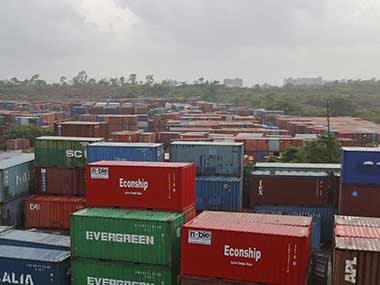
Representational image. Reuters.
In contrast, over 10 years of the two United Progressive Alliance (UPA-1 and UPA-2) administrations, India's merchandise exports – services exports are excluded from this analysis because they are limited to certain geographies because of trade agreements – grew between 11 percent to 33 percent, the data shows.
The fall in India's exports do not follow global patterns – the growth rate of goods traded across the world grew 3 percent over the four years to 2018 and grew by 3.3 percent (2009 to 2013) – according to International Monetary Fund. Various experts attributed the Indian export decline to domestic factors, such as demonetisation, a new goods and services tax (GST) and a new bankruptcy code.
Merchandise exports to China grew between 2014 and 2018 but at less than 1 percent while imports grew at 11 percent; during 10 years of UPA rule, exports to China grew 13 percent and imports 30 percent.
India's exports to Africa between 2014 and 2018 dipped by 4.22 percent and imports increased 1 percent; during 10 years of UPA rule, exports to Africa increased 22 percent and imports 59 percent.

 Hello, my name is Jack Sparrow. I'm a 50 year old self-employed Pirate from the Caribbean.
No comments:
Post a Comment